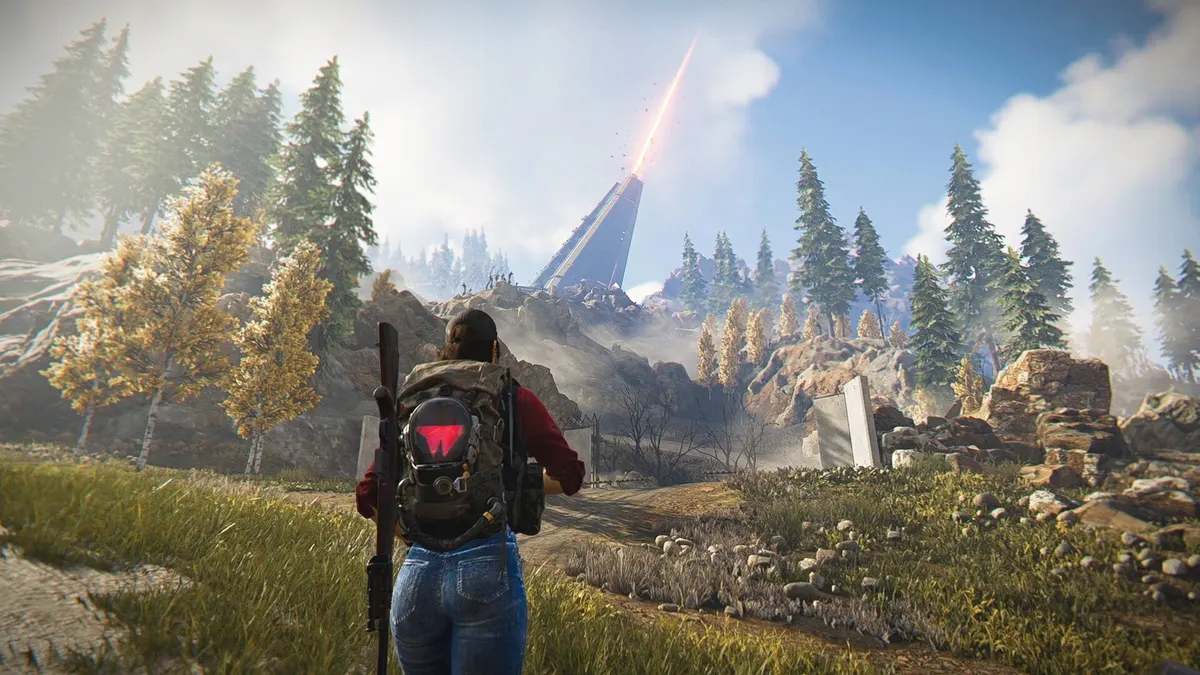
Once Human throws a lot at you in the first few hours — Sanity, Deviations, Memetics, faction PvP, and a season clock that's already ticking. None of it is optional, but most of it doesn't need to be solved on day one. Here's where to actually put your effort so you're not rebuilding your base or your build three weeks in.
Get Your Survival Stats Under Control First
Sanity is Once Human's stand-in for a radiation meter, not a mental-health gauge — it drains when you linger in Stardust-polluted zones or eat hits from certain Deviant enemies, and it caps your maximum health as it drops. Resting at a bed and eating cooked food restores it, so don't push through a heavily polluted area on low Sanity just to finish a quest; back off and eat first. Alongside Sanity you're managing Energy, Hydration, and Stamina, plus Temperature, which shifts with location, time of day, and weather — freezing zones like the northern reaches of Nalcott will chip away at you fast without the right gear, so craft warmth-rated clothing before you head north rather than after you're already shivering.
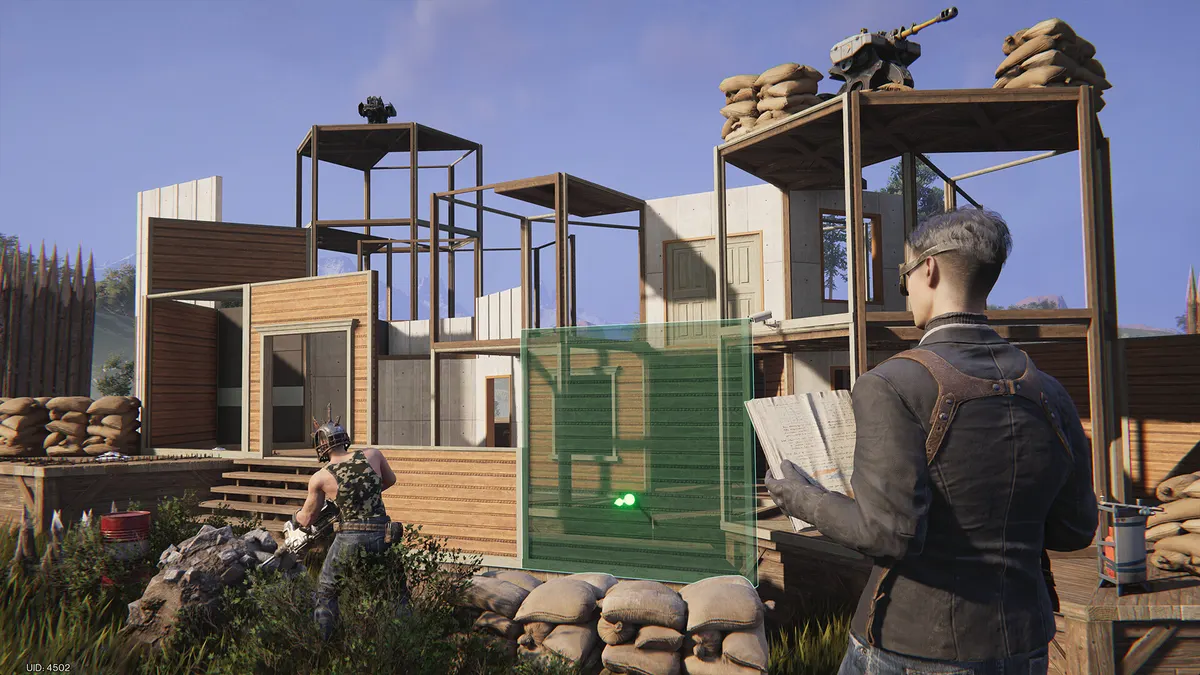
Don't Overbuild Your First Base
Pick your first base site for what it gives you immediately: proximity to a water source, a resource node cluster, and a road for fast travel between zones. Resist the urge to sink hours into a sprawling fortress here — your starting location is almost always temporary, since better territory (and better resource density) opens up as you push into new regions like the Iron River's ore deposits. Build enough to craft, store loot, and sleep safely, then treat any excess time as time better spent scouting your actual long-term base spot.
Chase Deviations Early, Not Gear
Deviations are Once Human's captured-companion system, and a cheap, common one can outperform hours of gear grinding. They come in three grades — S, A, and B — and three roles: Combat, Territory, and Crafting. Festering Gel, a common B-grade Combat Deviation found by defeating the Ravenous Hunter inside the Monolith of Greed in the Dayton Wetlands, is worth prioritizing in your first session: thrown in a fight, it molds into a shield wall that blocks incoming damage while healing HP and Sanity for you and nearby allies. Grab one or two reliable early Deviations like it before you worry about chasing rare S-grade catches — the survivability payoff comes faster than gearing up ever will.
Spend Memetic Points on Function, Not Comfort
Your entire tech tree runs through Memetics, unlocked using Ciphers and Energy Links you pick up while exploring and completing objectives. Every weapon tier, crafting bench, and base structure sits behind a Memetic node, and each phase also hands you a Specialization choice that shapes how your build plays for the rest of the season. In your first season, unlock crafting benches for gear and weapons first — that's what lets you upgrade what you're already using. Logistics nodes like vehicles and expanded storage come next, since they cut down on travel and inventory management headaches. Base comfort upgrades can wait; they don't move your survival or combat power forward.
Commit to One Weapon Family and Chase Its Blueprints
Once Human's weapon progression is blueprint-driven, not loot-driven — random drops matter far less than tracking down the blueprint for a weapon family and pushing its star rating up through Mods and upgrade materials. Pick one primary weapon that fits your playstyle, keep a backup for weaker enemies so you're not wasting your main's ammo, and maintain your armor alongside it. A single weapon upgraded to a high star rating with the right Mods will consistently outperform three different half-upgraded guns, so resist the temptation to swap every time something new drops.
Know the Season Clock Before You Invest
Each scenario runs on a fixed calendar, and Starry Studio's August 13, 2024 dev blog listed your Mods, blueprint fragments, and Battle Pass progress among what carries over to the next one, which is why blueprint hunting pays off from day one and a sprawling first base doesn't. For the full rules on what stays, what moves to Eternaland, and what resets, see our Once Human seasons guide.
Wait Before Picking a PvP Faction
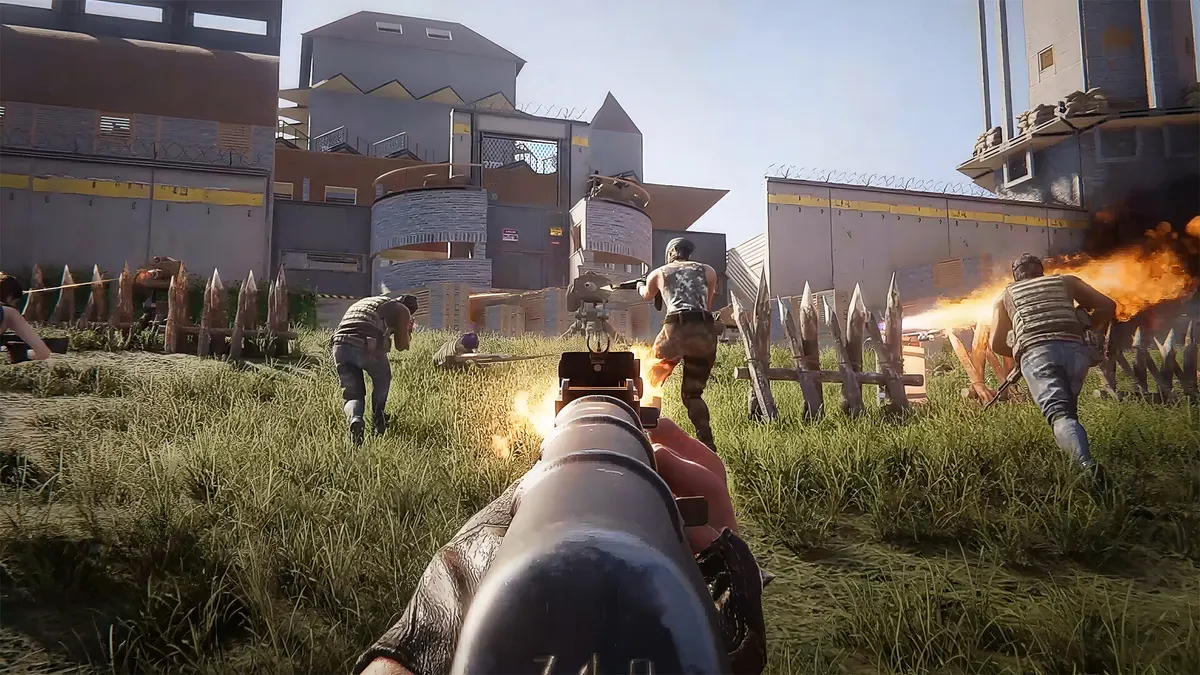
Once Human's factions, Evolution's Call and Prismverse's Clash, are both built around PvP — Stronghold Conquest for the former, a faster and more compressed faction war for the latter. Neither is designed as a beginner activity, so don't feel pressured to join one your first week. Get your base, Deviations, Memetics, and weapon blueprints in order first, then step into faction content once you've got the survivability and firepower to actually contribute in a fight instead of feeding kills to players who've been at it for weeks.
Patches move these numbers, so check our Once Human news coverage after each update, and our Once Human review for how the game holds up overall.